
The Ultimate Guide to Buying Auto Parts
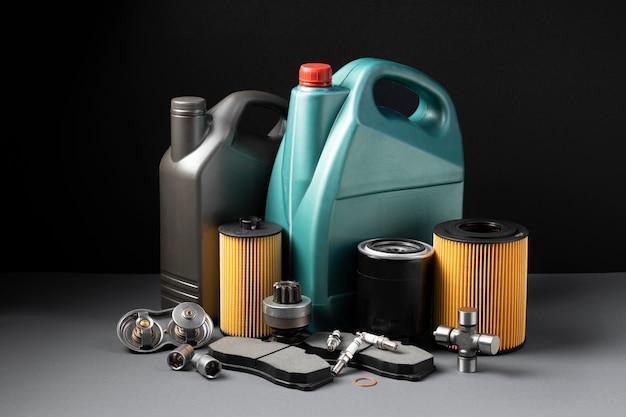
Every car owner faces that moment—standing in front of countless shelves or scrolling through endless online listings—wondering which part is truly the right fit for their vehicle. Selecting the correct components can feel like navigating a labyrinth. But with the ultimate auto guide, you can shop confidently, ensuring quality, compatibility, and the best value.
Understand Your Vehicle’s Needs
Before purchasing anything, dive into your vehicle’s specifics. Know the year, make, model, and engine size. These details are non-negotiable when selecting parts. Overlooking even a minor specification can lead to mismatched components, wasted money, and mechanical headaches.
Next, identify what you truly need. Is it a vital replacement like brake pads or an upgrade such as a performance exhaust? Whether you’re replacing worn-out items or enhancing your ride, being clear about your objective is the first step in any auto parts guide.
OEM vs. Aftermarket: What’s Best?
The eternal debate—Original Equipment Manufacturer (OEM) or aftermarket parts? OEM parts are crafted by the vehicle’s manufacturer, guaranteeing a perfect match. However, this precision often carries a premium price tag.
On the flip side, aftermarket parts offer a vast array of options, from budget-friendly to high-performance alternatives. Many reputable brands deliver parts that not only match but sometimes exceed OEM standards. The secret is sticking to trusted names known for durability and quality.
This is where a complete car parts checklist becomes your best ally. Research brands, read reviews, and compare specifications. Doing so prevents the costly mistake of selecting subpar components.
Sourcing the Best Deals
Hunting for parts can feel overwhelming, but knowing where to shop makes all the difference. Local auto parts stores offer personalized service, but prices might be higher due to overhead costs.
Online retailers, meanwhile, present an expansive inventory and competitive pricing. Websites dedicated to auto parts often have robust search filters that allow you to input your car’s information, instantly narrowing down compatible choices. Just ensure you’re buying from reputable sellers with clear return policies—mistakes happen, even with the best buying car components plans.
Essential Considerations When Buying Auto Parts
Durability is paramount. Avoid getting lured by cheap, flimsy parts that may fail prematurely. Critical components like brake systems, suspension parts, and steering mechanisms demand top-tier materials.
Warranties also matter. A solid warranty provides peace of mind, especially for high-ticket items like alternators or catalytic converters. Reputable manufacturers back their products because they trust their longevity.
Compatibility is non-negotiable. Cross-check part numbers and specifications. If necessary, consult a professional or use your vehicle’s VIN to confirm you’re getting an exact match. This meticulous attention to detail transforms a basic auto parts guide into a powerful purchasing strategy.
Avoid Common Pitfalls
Impulse buying is a common trap. That shiny new alternator on sale? It might not suit your model year. Stick to your research and list. Avoid overbuying, too—ordering extras may seem like preparation, but it often results in unnecessary clutter and wasted cash.
Counterfeit parts have flooded the market, especially online. If a deal seems too good to be true, it probably is. Knockoff components not only perform poorly but can also damage your vehicle or even create safety hazards.
Always verify the part’s origin and seller credentials. Choose suppliers who display clear product information, warranty details, and customer support channels.
Essential Tools for DIY Installations
For hands-on car owners, some repairs and replacements are manageable at home with the right tools. A socket set, torque wrench, jack stands, and diagnostic scanner are invaluable. Having these on hand transforms your ultimate auto guide knowledge into practical skills.
Remember, if a repair feels outside your comfort zone—like complex transmission work—it’s wiser to involve a professional. But tasks like swapping out filters, bulbs, or even brake pads? Entirely doable with a little patience.
Sustainable Auto Parts Choices
Today’s automotive market offers eco-conscious options. Remanufactured or refurbished parts reduce waste and often perform just as well as brand-new counterparts. Choosing these supports sustainability without compromising quality.
Additionally, don’t overlook recycling your old parts properly. Many auto parts stores accept used oil, batteries, and worn-out components. This small step contributes significantly to environmental conservation.
The Power of a Complete Checklist
Staying organized simplifies the process. Create a complete car parts checklist for every project, including part numbers, required tools, and installation instructions. This approach reduces stress and prevents costly mistakes.
Pair this with routine maintenance schedules. Tracking what’s been replaced and when helps you anticipate future needs, saving time and money.
With the ultimate auto guide, buying car parts becomes less of a gamble and more of a calculated investment. Armed with knowledge, thorough research, and a solid checklist, you’ll select only the best components for your ride.
From pinpointing the right buying car components to understanding your options with the auto parts guide, every decision you make enhances your vehicle’s performance and longevity. Prioritize quality, demand compatibility, and embrace sustainability—because smart choices today ensure smoother drives tomorrow.

