
9 Mercedes Parts That Can Cause Oil Leaks, Smoke, or Power Loss
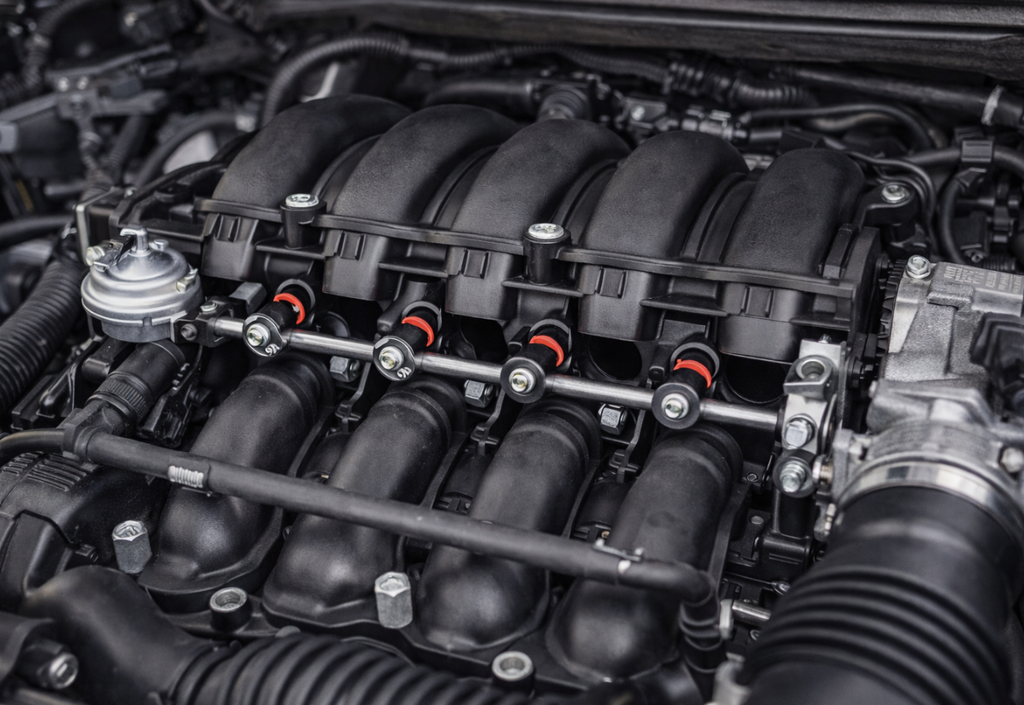
Some Mercedes parts that can cause oil leaks, smoke, or power loss are small enough to be missed during a basic inspection.
A minor membrane, valve, actuator, seal, or hose can disturb oil pressure, airflow, boost control, or exhaust flow.
I always prefer to diagnose the symptom before blaming the largest part. Many Mercedes engine problems start with a smaller component that fails quietly, then creates symptoms that look more serious.
1. PCV Valve or PCV Membrane
The PCV valve controls crankcase pressure and routes oil vapor back into the intake system. If the PCV membrane tears or hardens, pressure inside the engine can rise or airflow can become unstable.
This can lead to oil leaks, rough idle, whistling noise, smoke, and higher oil use. On some Mercedes engines, the failed part may be built into the valve cover or oil separator assembly.
That is why I check the PCV system early when oil leaks and idle problems appear together.
2. Oil Separator Membrane
The oil separator helps separate oil vapor from crankcase gases before they return to the intake. If the membrane fails, the engine may pull too much oil vapor into the intake tract.
This can cause blue or grey exhaust smoke, oily intake pipes, carbon buildup, and increased oil consumption.
If the engine smokes after idling or during acceleration, the oil separator should be inspected before assuming the turbo or piston rings are at fault.
3. Valve Cover Membrane or Gasket Area
The valve cover area is a common source of visible oil leaks. Many owners replace the gasket first, but the real cause may be pressure inside the crankcase.
If a PCV or valve cover membrane fails, oil may be forced past seals. This can leave wet oil around the cover, create a burning smell, or cause oil to drip onto hot engine parts.
I would check both the gasket area and the ventilation function together.
4. Turbo Wastegate Linkage
A worn turbo wastegate linkage can affect boost pressure. If the wastegate does not seal or move correctly, the turbo may fail to build pressure at the right time.
The driver may notice poor acceleration, delayed boost, rattling near the turbo, or limp mode.
In some cases, a worn shaft, bushing, flapper, or linkage may be the problem rather than the complete turbocharger. Inspection is needed before choosing a repair kit or full replacement.
5. Boost Air Recirculation Valve
The boost air recirculation valve helps manage pressure in the turbocharging system. If the valve membrane, seal, or actuator is damaged, boost pressure may leak or respond too slowly.
This can cause weak acceleration, reduced power, turbo fault codes, and inconsistent throttle response. If boost pressure leaks through a damaged valve part, the engine may feel flat under load.
Relevant Mercedes valve parts can be checked here: https://klifex.com/electrical-equipment/mercedes-electric-motors
6. Turbocharger Actuator Motor or Throttle Motor
Modern Mercedes engines rely on electric motors and actuators to control airflow, boost behavior, and throttle movement. If an actuator motor becomes weak or fails, the engine may not receive the correct air control signal.
This can lead to power loss, hesitation, warning lights, and poor response during acceleration. A faulty motor can make the car feel slow even when the turbo itself is still in usable condition.
Mercedes electric motor options can be checked here: https://klifex.com/electrical-equipment/mercedes-valves
7. EGR Valve or EGR Actuator
The EGR valve sends a controlled amount of exhaust gas back into the intake to help manage combustion temperature. If the valve sticks open, sticks closed, or responds slowly, engine behavior can change quickly.
Common signs include black smoke, rough idle, hesitation, poor fuel economy, soot buildup, and loss of power. Diesel Mercedes engines are especially sensitive to EGR and intake contamination.
I would inspect the EGR valve, actuator, cooler area, and related pipes if smoke and weak performance appear together.
8. Intake Manifold Flaps or Swirl Control Parts
Intake manifold flaps and swirl control parts help manage airflow inside the intake system. If these parts stick, break, or leak, the engine may not breathe correctly.
The result can be poor acceleration, uneven idle, smoke, fault codes, or restricted power.
In some engines, worn flap mechanisms can also create air leaks or movement errors. I would check the intake system if power loss appears with soot buildup or EGR-related symptoms.
9. Breather Hoses, Oil Seals, and Small Gaskets
Small rubber parts often cause large-looking problems. Breather hoses can split, oil seals can harden, and small gaskets can leak after long heat exposure.
These faults may create oil residue, vacuum leaks, smoke from the engine bay, or poor running.
I do not ignore small seals during diagnosis because they often fail before expensive mechanical parts. A low-cost seal or hose can sometimes explain a symptom that looks far more serious.
How to Diagnose Oil Leaks, Smoke, or Power Loss
I start by separating the symptoms. Oil leaks should be traced to the highest wet point on the engine. Exhaust smoke should be checked by color. Power loss should be checked with fault codes, boost pressure data, and live sensor readings.
A proper inspection should include the PCV system, oil separator, valve cover area, turbo control parts, EGR system, intake parts, hoses, seals, and actuators. Engine code and part number confirmation are also essential before ordering repair parts.
Final Thoughts
Oil leaks, smoke, and power loss do not always mean the engine needs a major repair. On many Mercedes models, small parts such as PCV membranes, oil separator diaphragms, boost valves, electric actuator motors, EGR parts, and seals can create serious symptoms.
My advice is to diagnose carefully before replacing large components. Check the fault codes, inspect the affected system, confirm the part design, and match the repair part to the correct engine.

